
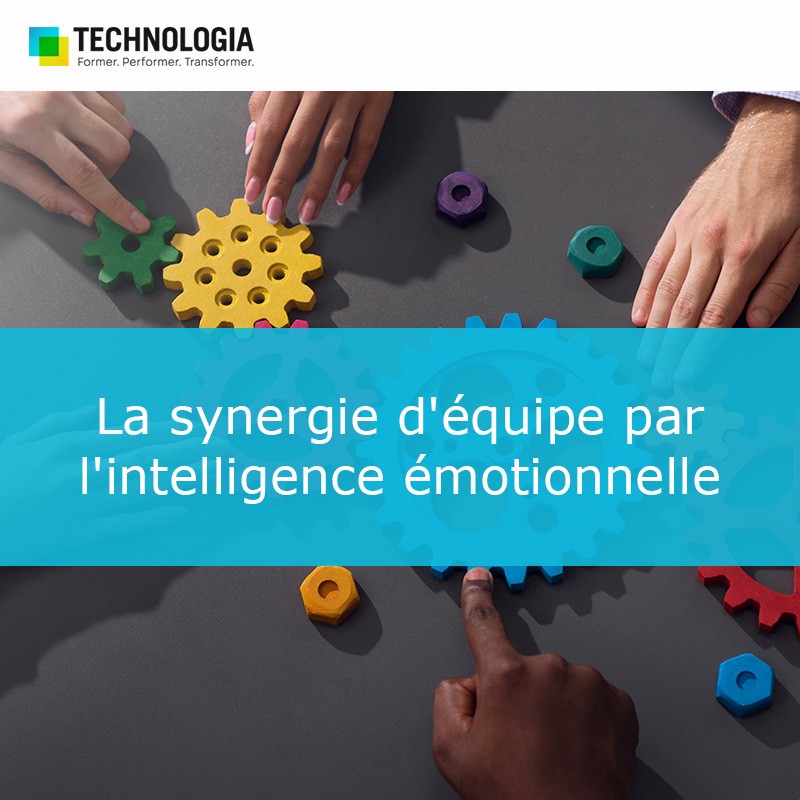
Human actions result from a combination of logic and emotions. Some of these emotions, when poorly managed, can create a harmful climate within an organization.
A better use of emotional intelligence (EI) has become essential. EI is considered the foundation for many competencies, including time management, decision-making, and communication.
Interact and work more effectively by relying on emotional intelligence skills! Improve your organizational climate!
Objective: By the end of this training, you will have learned and practiced the concepts necessary to:
• Take emotional intelligence into account in the workplace
• Use the core skills of emotional intelligence
• Be aware of your own emotions and those of others
• Use tools to better manage emotions
• Better manage workplace interactions
• Improve the climate within your organization and your well-being
• Increase synergy within your teams
Target audience: Anyone interested in enriching their communication skills to improve workplace performance and build richer, more effective, and more satisfying work relationships. This reflective moment is especially recommended for those wishing to move to the next stage in their current role or obtain a new position.
• What is emotional intelligence?
• The different types of competencies
• The role and importance of intelligence in the workplace
• Core emotional intelligence skills
• Valuing emotional intelligence in teamwork
• Applying the 5 components of emotional intelligence in daily life
• Self-assessment of your emotional intelligence skills
• What are your emotional triggers?
• Emotions that carry meaning
• Self-assessment of your level of assertiveness
• The 3Rs of effective communication
• Creating more positive interactions
• Improvement strategies to sharpen your emotional intelligence skills
Human actions result from a combination of logic and emotions. Some of these emotions, when poorly managed, can create a harmful climate within an organization.
A better use of emotional intelligence (EI) has become essential. EI is considered the foundation for many competencies, including time management, decision-making, and communication.
Interact and work more effectively by relying on emotional intelligence skills! Improve your organizational climate!
Objective: By the end of this training, you will have learned and practiced the concepts necessary to:
• Take emotional intelligence into account in the workplace
• Use the core skills of emotional intelligence
• Be aware of your own emotions and those of others
• Use tools to better manage emotions
• Better manage workplace interactions
• Improve the climate within your organization and your well-being
• Increase synergy within your teams
Target audience: Anyone interested in enriching their communication skills to improve workplace performance and build richer, more effective, and more satisfying work relationships. This reflective moment is especially recommended for those wishing to move to the next stage in their current role or obtain a new position.