
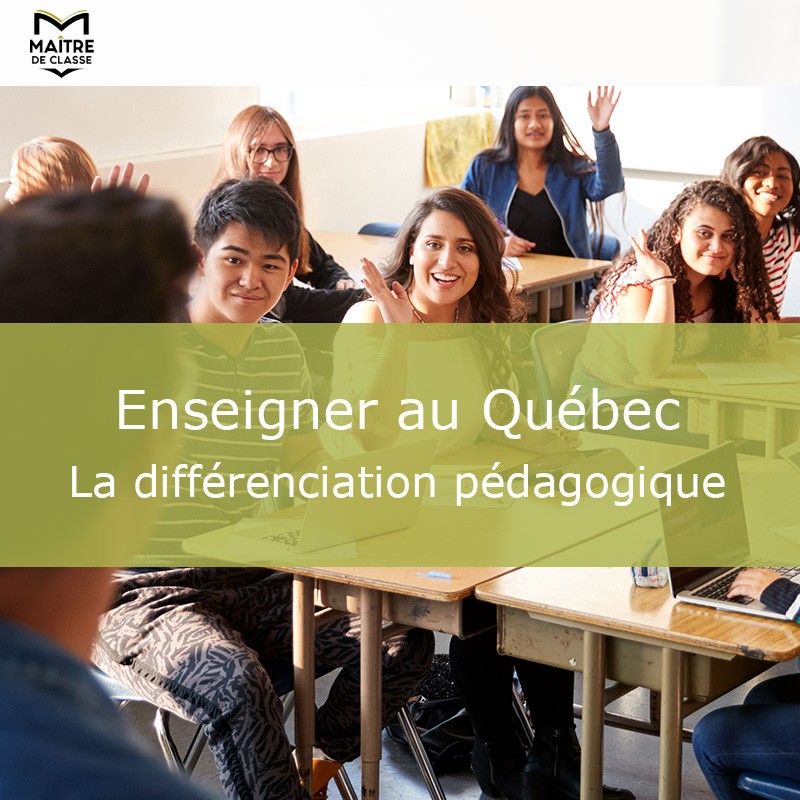
Differentiated instruction is an educational approach that adapts teaching, learning, and assessment to the unique needs of each student (paces, styles, interests) in order to ensure success for all, by offering varied content, processes, and products, flexible groupings, and a stimulating environment, rather than a single model, thus allowing each student to learn in their own way and at their own pace.
Introduction
Theory
- The Zone of Proximal Development
- Differentiated Instruction
- Pedagogical Flexibility
- Accommodation Measures
- Modification of Expectations in Relation to QEP Requirements
- The Analysis Process
The Intervention Plan
The TÉVA Process
Conclusion
Annick Garand
Bachelor’s Degree in School and Social Adaptation, Development and Pedagogy Strategist, Educational Consultant
Differentiated instruction is an educational approach that adapts teaching, learning, and assessment to the unique needs of each student (paces, styles, interests) in order to ensure success for all, by offering varied content, processes, and products, flexible groupings, and a stimulating environment, rather than a single model, thus allowing each student to learn in their own way and at their own pace.